How Do Trade Wars Affect Global Markets?
Trade wars have become a significant concern in the global economy, sparking debates and uncertainties among nations and investors alike. These conflicts are not new but have gained prominence in recent years due to the escalating tensions between major economies. The impact of trade wars on global markets is profound and multifaceted, affecting various sectors and countries in different ways. By delving into the intricacies of trade wars and their repercussions, it becomes evident how these conflicts can disrupt the delicate balance of the global economy.
The Ripple Effect on Global Trade
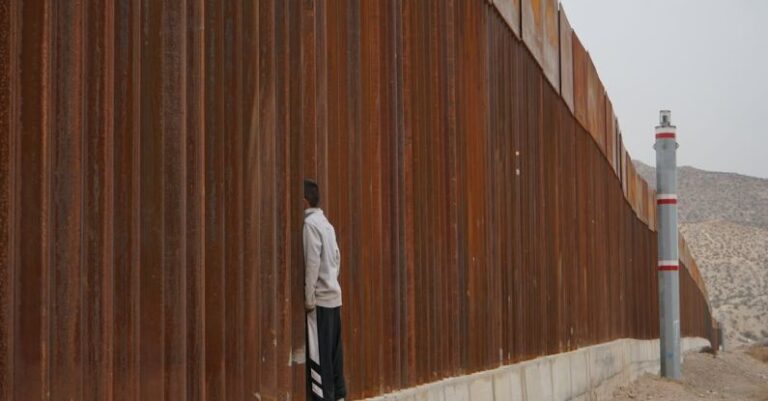
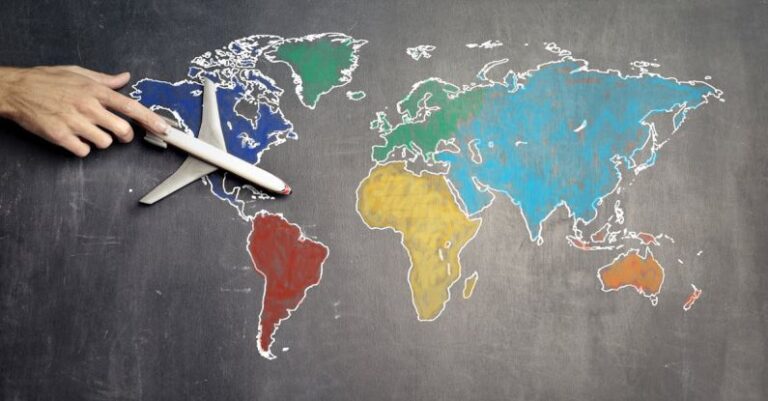
Trade wars have a ripple effect on global trade, disrupting the flow of goods and services between countries. When major economies impose tariffs and trade barriers on each other, it creates a domino effect that reverberates throughout the global market. As one country raises tariffs on imports, its trading partners may retaliate with their own tariffs, leading to a cycle of protectionist measures that hinder international trade. This disruption can result in higher prices for consumers, reduced market access for businesses, and overall economic uncertainty.
Supply Chain Disruptions
One of the most significant impacts of trade wars is the disruption of supply chains that span across multiple countries. Many industries rely on complex supply chains that source components and raw materials from different parts of the world. When trade tensions arise, these supply chains are at risk of being disrupted, leading to delays in production and increased costs. Companies may have to find alternative suppliers or adjust their manufacturing processes, which can be time-consuming and costly.
Market Volatility and Investor Confidence
Trade wars create market volatility and uncertainty, which can have a significant impact on investor confidence. Stock markets react swiftly to news of trade tensions, with prices fluctuating based on the latest developments. Investors may become hesitant to make decisions in such unpredictable conditions, leading to fluctuations in asset prices and capital flows. The uncertainty surrounding trade wars can also impact currencies, commodities, and other financial instruments, further adding to market volatility.
Sector-Specific Impacts
Different sectors are affected differently by trade wars, depending on their reliance on international trade and exposure to tariffs. Industries that are heavily reliant on imports or exports may bear the brunt of trade tensions, facing increased costs and reduced market access. For example, the agricultural sector may suffer from retaliatory tariffs imposed on agricultural products, while the manufacturing sector may face higher input costs due to tariffs on raw materials. Service industries, such as tourism and hospitality, may also feel the impact of reduced consumer spending and economic uncertainty.
Regional Disparities
Trade wars can exacerbate regional disparities within countries and across the globe. Developing countries that rely on exports for economic growth may face challenges in accessing key markets due to trade barriers imposed by major economies. Within countries, regions that are heavily reliant on certain industries may experience job losses and economic downturns as a result of trade tensions. The uneven distribution of the impact of trade wars can deepen existing inequalities and pose challenges for policymakers seeking to mitigate the effects.
Navigating the Uncertainty
As trade tensions persist and evolve, businesses and governments must navigate the uncertainty and adapt to the changing landscape of global trade. Diversifying supply chains, exploring new markets, and engaging in dialogue with trading partners are strategies that can help mitigate the impact of trade wars. Governments can also play a crucial role in promoting free and fair trade policies that foster economic growth and stability. By understanding the complexities of trade wars and their implications, stakeholders can better prepare for the challenges ahead and work towards a more resilient global economy.
In conclusion, trade wars have far-reaching consequences that extend beyond borders and industries, impacting global markets in profound ways. The disruptions caused by trade tensions can create market volatility, supply chain challenges, and regional disparities that require careful navigation and strategic planning. As the global economy continues to grapple with trade conflicts, stakeholders must collaborate and innovate to ensure a sustainable and prosperous future for all.