What Does the Rise of Remote Work Mean for Future Cities?
In the wake of the global pandemic, the traditional office landscape has undergone a significant transformation. Remote work has become the new norm for many individuals and organizations, leading to a reevaluation of the role of physical office spaces in our lives. As more people embrace the flexibility and convenience of working from home, the rise of remote work is reshaping not only our daily routines but also the very fabric of future cities.
The Impact on Urban Infrastructure
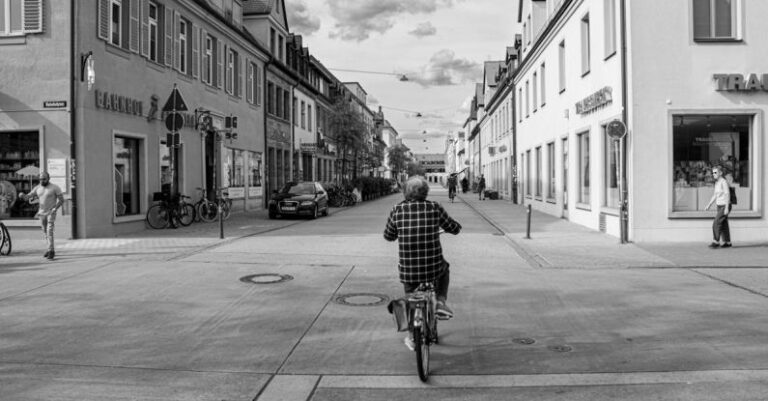
The shift towards remote work is expected to have a profound impact on urban infrastructure. With fewer people commuting to centralized office locations, there may be a reduced need for large office buildings and extensive transportation networks. This shift could lead to a reimagining of urban spaces, with a greater emphasis on creating mixed-use developments that combine residential, commercial, and recreational spaces in closer proximity. As a result, future cities may become more compact and walkable, with a focus on sustainability and community living.
The Rise of Satellite Work Hubs
While remote work offers the freedom to work from anywhere, many individuals still crave the social interaction and networking opportunities that come with a traditional office environment. To bridge this gap, we are likely to see the rise of satellite work hubs in suburban and rural areas. These hubs provide a middle ground between working from home and commuting to a central office, offering a shared workspace where individuals can collaborate and connect with like-minded professionals. By decentralizing workspaces in this way, future cities may see a more balanced distribution of economic activity and a revitalization of suburban and rural communities.
The Evolution of Home Design
As remote work becomes more prevalent, the design of residential spaces is also evolving to accommodate the changing needs of individuals who work from home. Home offices are no longer an afterthought but a central feature of modern residences, with dedicated workspaces that prioritize functionality, comfort, and aesthetics. Future cities may see a shift towards housing designs that incorporate flexible work areas, soundproofing, and ergonomic furniture to support the growing number of remote workers.
The Revitalization of Public Spaces
With fewer people commuting to traditional office locations, public spaces in future cities are likely to undergo a transformation. Parks, cafes, and community centers may become the new hub for remote workers looking to break away from their home offices and connect with others. These spaces could be repurposed to offer coworking facilities, networking events, and cultural activities, fostering a sense of community and collaboration among residents. By reimagining public spaces in this way, future cities can create vibrant and inclusive environments that cater to the diverse needs of a remote workforce.
The Importance of Digital Infrastructure
As remote work continues to gain traction, the importance of robust digital infrastructure cannot be overstated. High-speed internet connectivity, secure data networks, and reliable communication tools are essential for enabling remote work and ensuring productivity. Future cities must invest in upgrading their digital infrastructure to support the growing demands of a remote workforce, including providing access to affordable and reliable internet services for all residents. By prioritizing digital infrastructure, cities can position themselves as attractive destinations for remote workers and tech-savvy businesses looking to thrive in the digital age.
Redefining the Urban Landscape
The rise of remote work is reshaping the way we think about cities and urban living. With a greater emphasis on flexibility, sustainability, and community, future cities are poised to become more inclusive, dynamic, and interconnected than ever before. By embracing the opportunities presented by remote work, cities can unlock their full potential as vibrant hubs of innovation, creativity, and collaboration. As we look towards the future, it is clear that the rise of remote work will continue to shape the urban landscape in profound and transformative ways.