What Is the Role of the United Nations in Today’s World?
The Role of the United Nations in Today’s World
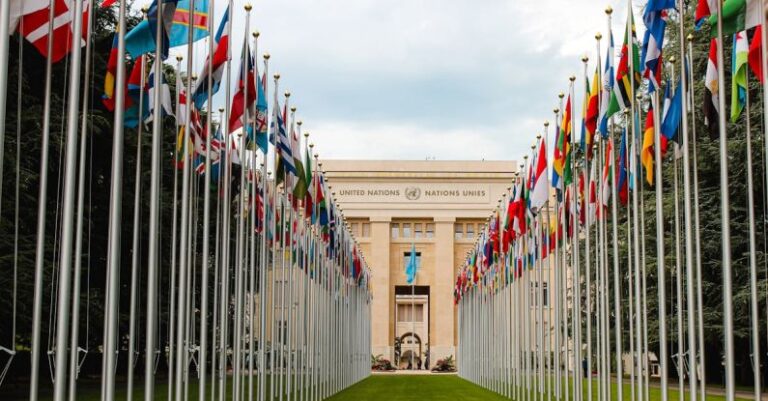
In a rapidly changing global landscape, the role of the United Nations (UN) remains crucial in promoting international cooperation, peace, and sustainable development. Established in 1945 in the aftermath of World War II, the UN serves as a forum for member states to address pressing issues collectively. Today, the organization faces a myriad of challenges, from climate change to humanitarian crises, requiring innovative approaches to fulfill its mandate effectively.
Promoting International Peace and Security
One of the primary functions of the United Nations is to maintain international peace and security. The Security Council, with five permanent members and ten rotating members, plays a central role in addressing conflicts and threats to peace around the world. Through peacekeeping missions, diplomatic efforts, and sanctions, the UN seeks to prevent and resolve conflicts, safeguarding the lives of civilians and promoting stability in volatile regions.
Advancing Sustainable Development Goals
In 2015, the UN adopted the 2030 Agenda for Sustainable Development, a set of 17 goals aimed at eradicating poverty, protecting the planet, and ensuring prosperity for all. The UN plays a pivotal role in mobilizing resources, coordinating efforts, and monitoring progress towards achieving these ambitious goals. By fostering partnerships with governments, civil society, and the private sector, the UN drives initiatives to address issues such as climate change, inequality, and access to education and healthcare.
Humanitarian Assistance and Crisis Response
In times of crisis, natural disasters, conflicts, and pandemics, the United Nations provides vital humanitarian assistance to populations in need. Agencies such as the World Food Programme, UNICEF, and the UN Refugee Agency deliver food, water, shelter, and medical aid to millions of people affected by emergencies worldwide. Through coordinated relief efforts and advocacy, the UN plays a critical role in alleviating suffering and protecting the most vulnerable communities.
Promoting Human Rights and Social Justice
The United Nations is a staunch advocate for human rights and social justice, working to uphold the fundamental freedoms and dignity of all individuals. The UN Human Rights Council monitors human rights violations, conducts investigations, and provides support to countries in strengthening their human rights frameworks. By promoting equality, justice, and non-discrimination, the UN strives to create a more inclusive and equitable world for future generations.
Addressing Global Health Challenges
In the face of global health crises such as the COVID-19 pandemic, the World Health Organization (WHO), a specialized agency of the UN, plays a central role in coordinating international efforts to prevent, detect, and respond to health emergencies. By providing guidance, technical assistance, and research, the WHO supports countries in strengthening their healthcare systems and mitigating the impact of infectious diseases on populations worldwide.
Ensuring Environmental Sustainability
Climate change poses a significant threat to the planet and its inhabitants, requiring urgent action to mitigate its effects and build resilience to environmental challenges. The United Nations Framework Convention on Climate Change (UNFCCC) convenes annual conferences, known as COPs, where countries negotiate agreements to reduce greenhouse gas emissions and adapt to a changing climate. Through initiatives such as the Paris Agreement, the UN promotes sustainable practices and clean energy solutions to safeguard the planet for future generations.
A Call for Global Solidarity and Cooperation
In a world marked by increasing interconnectedness and complex challenges, the role of the United Nations in fostering global solidarity and cooperation is more critical than ever. By bringing together diverse stakeholders, promoting dialogue and consensus-building, and advocating for multilateralism, the UN serves as a beacon of hope for a more peaceful, just, and sustainable world. As we navigate the uncertainties of the 21st century, the UN’s mission remains clear: to unite nations in pursuit of common goals and shared values, shaping a brighter future for all.