Can Wearable Tech Enhance Personal Health Monitoring?
The integration of wearable technology in our daily lives has revolutionized the way we monitor our personal health. These devices, designed to be worn throughout the day, provide real-time data on various health metrics, giving individuals greater insight into their overall well-being. From tracking heart rate and sleep patterns to counting steps and monitoring stress levels, wearable tech has the potential to enhance personal health monitoring significantly. But can these gadgets truly make a difference in our health journey? Let’s delve deeper into the impact of wearable tech on personal health monitoring.
**Tracking Physical Activity and Fitness Levels**
One of the key benefits of wearable tech is its ability to track physical activity and fitness levels accurately. Devices like fitness trackers and smartwatches can monitor steps taken, distance traveled, and calories burned, providing users with valuable data to assess their daily activity levels. This real-time feedback can motivate individuals to stay active, set goals, and make healthier choices throughout the day.
**Monitoring Heart Rate and Sleep Patterns**
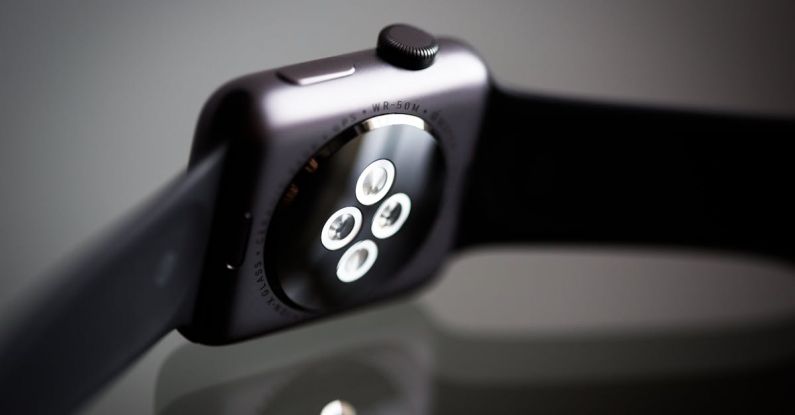
Another crucial aspect of personal health monitoring is tracking heart rate and sleep patterns. Wearable devices equipped with heart rate monitors can provide insights into cardiovascular health and help individuals identify irregularities or potential issues. Additionally, monitoring sleep patterns can help users understand their sleep quality, duration, and any disruptions, enabling them to make adjustments to improve overall sleep hygiene.
**Managing Stress and Mental Well-Being**
In today’s fast-paced world, managing stress and mental well-being is essential for overall health. Wearable tech that includes stress tracking features can help users identify stress triggers and patterns, allowing them to implement stress management techniques effectively. By monitoring stress levels throughout the day, individuals can take proactive steps to reduce stress and improve their mental well-being.
**Encouraging Healthy Habits and Behavior Changes**
Wearable technology can also play a significant role in encouraging healthy habits and facilitating behavior changes. Through personalized insights and feedback, these devices can motivate users to make positive lifestyle choices, such as increasing physical activity, improving sleep quality, and reducing stress. By setting goals, receiving reminders, and tracking progress, individuals can develop healthier habits over time.
**Enhancing Disease Management and Prevention**
For individuals managing chronic conditions or looking to prevent health issues, wearable tech can be a valuable tool. By continuously monitoring health metrics and providing data to healthcare professionals, these devices can help in disease management and early intervention. Wearable tech can empower users to take control of their health, identify potential risks, and make informed decisions about their well-being.
**The Future of Personal Health Monitoring with Wearable Tech**
As technology continues to advance, the future of personal health monitoring with wearable tech looks promising. From more advanced sensors and improved accuracy to enhanced integration with healthcare systems, wearable devices are poised to become even more integral to our health journey. With the potential for early detection of health issues, personalized health recommendations, and seamless data sharing with healthcare providers, wearable tech has the power to revolutionize the way we monitor and manage our health.
**In Summary**
Wearable technology has the potential to enhance personal health monitoring by providing real-time data on various health metrics, tracking physical activity and fitness levels, monitoring heart rate and sleep patterns, managing stress and mental well-being, encouraging healthy habits and behavior changes, and enhancing disease management and prevention. As these devices continue to evolve and improve, they have the potential to empower individuals to take control of their health and well-being like never before. The integration of wearable tech in personal health monitoring represents a significant step forward in the quest for a healthier and more informed lifestyle.