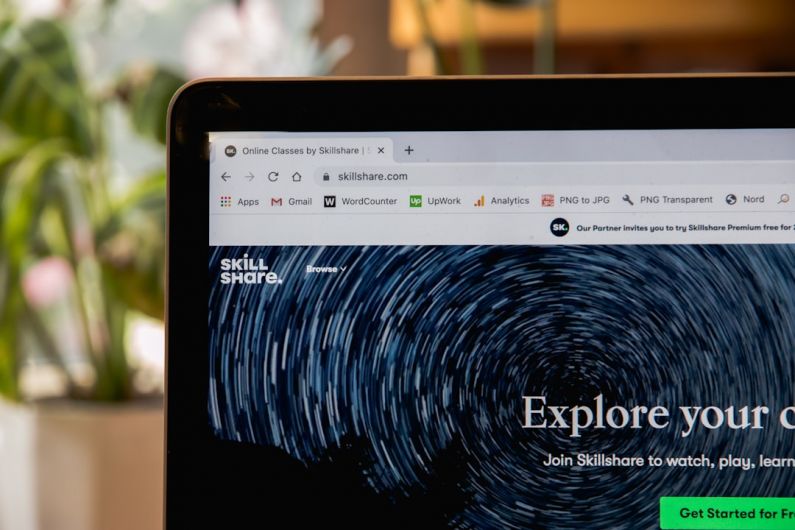
How Are Moocs Changing the Face of Education?
Massive Open Online Courses (MOOCs) have revolutionized the landscape of education in recent years. Offering flexible, accessible, and often free online learning opportunities, MOOCs are changing the way people learn and acquire new skills. This article explores the impact of MOOCs on education and how they are reshaping the traditional classroom model.
The Rise of MOOCs
MOOCs have gained popularity due to their ability to reach a wide audience of learners from different parts of the world. With leading universities and institutions offering courses on platforms like Coursera, edX, and Udemy, individuals now have access to high-quality education without the constraints of location or cost. The convenience of being able to learn from anywhere at any time has made MOOCs a preferred choice for many, especially working professionals looking to upskill or switch careers.
Diversifying Learning Opportunities
One of the key ways MOOCs are changing education is by diversifying learning opportunities. Traditional educational institutions have limitations in terms of the number of courses they can offer and the students they can accommodate. MOOCs, on the other hand, can cater to a wide range of interests and specializations, from coding and data science to literature and history. This diversity allows learners to explore new subjects and disciplines that may not be available in their local educational institutions.
Flexibility and Self-Paced Learning
MOOCs offer a level of flexibility that is unmatched in traditional educational settings. Learners have the freedom to choose when and where they want to study, allowing them to balance their education with other commitments such as work and family. The self-paced nature of MOOCs also means that learners can progress through the course material at their own speed, revisiting concepts as needed and taking assessments when they feel ready.
Interactive and Engaging Learning Experience
Despite being delivered online, MOOCs provide an interactive and engaging learning experience through the use of videos, quizzes, assignments, and discussion forums. Many courses incorporate multimedia elements to enhance learning and keep learners motivated and interested. The opportunity to interact with instructors and fellow learners from around the world also adds a collaborative element to the learning process, fostering a sense of community and shared knowledge.
Closing the Skills Gap
MOOCs are playing a significant role in closing the skills gap by providing affordable and accessible training in high-demand fields. As technology continues to advance rapidly, the need for individuals with specialized skills in areas such as artificial intelligence, cybersecurity, and digital marketing is growing. MOOCs offer a way for people to acquire these skills without having to commit to a full-time degree program, making it easier for them to stay relevant in the job market.
Empowering Lifelong Learning
Another way MOOCs are changing the face of education is by empowering lifelong learning. In today’s fast-paced world, continuous learning is essential for personal and professional growth. MOOCs make it possible for individuals to keep up with the latest trends and developments in their field or explore new interests at any stage of their lives. This culture of lifelong learning not only benefits individuals but also contributes to a more knowledgeable and skilled society as a whole.
The Future of Education
As MOOCs continue to evolve and expand, they are likely to play an even greater role in shaping the future of education. With advancements in technology such as virtual reality and artificial intelligence, the possibilities for creating immersive and personalized learning experiences are endless. MOOCs have the potential to reach even more learners and bridge the gap between formal education and practical skills training.
In conclusion, MOOCs are indeed changing the face of education in profound ways. By offering diverse learning opportunities, flexible self-paced learning, interactive experiences, and skill-building opportunities, MOOCs are democratizing education and empowering individuals to take control of their learning journey. As the educational landscape continues to evolve, MOOCs are poised to play a central role in shaping the future of learning and knowledge dissemination.