How Can Countries Address the Global Refugee Crisis?
Amidst the complexities of geopolitics and humanitarian concerns, the global refugee crisis remains a pressing issue that demands urgent attention. As conflicts, persecution, and environmental disasters continue to displace millions of people worldwide, countries face the challenge of finding sustainable solutions to address the needs of refugees and ensure their protection. In this article, we will explore key strategies that countries can implement to effectively respond to the global refugee crisis.
—
Promote International Cooperation
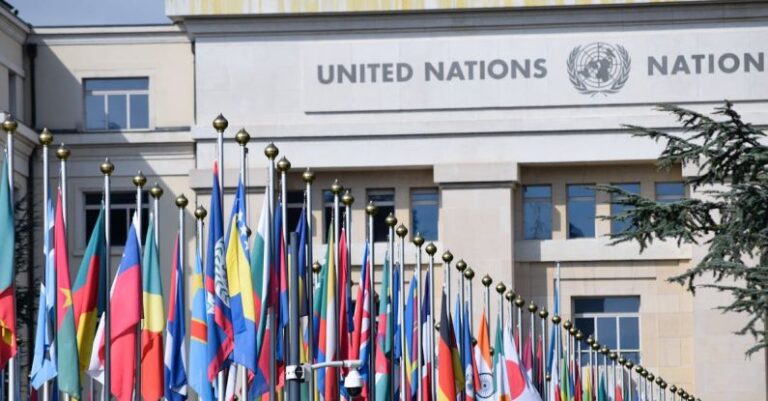
Collaboration among nations is essential in addressing the global refugee crisis. By working together, countries can share resources, expertise, and best practices to provide support for refugees. International cooperation also plays a crucial role in advocating for the protection of refugees’ rights and promoting peace-building initiatives to prevent further displacement. Through platforms like the United Nations Refugee Agency (UNHCR) and regional organizations, countries can strengthen their efforts to address the root causes of the refugee crisis and enhance coordination in delivering humanitarian aid.
—
Ensure Adequate Funding for Refugee Assistance
Financial resources are indispensable in meeting the needs of refugees and supporting host communities. Countries must commit to providing sufficient funding for humanitarian aid programs, refugee resettlement, and integration initiatives. By investing in education, healthcare, and livelihood opportunities for refugees, countries can empower them to rebuild their lives and contribute positively to their new communities. Governments, international organizations, and private donors play a critical role in mobilizing financial support to address the long-term challenges faced by refugees.
—
Strengthen Refugee Protection Mechanisms
Protecting the rights of refugees is paramount in addressing the global refugee crisis. Countries must uphold international conventions and protocols that guarantee the safety and well-being of refugees, including the principle of non-refoulement and the right to seek asylum. By establishing robust legal frameworks and effective asylum procedures, countries can ensure that refugees are treated with dignity and respect. Strengthening refugee protection mechanisms also involves combating xenophobia and discrimination, promoting social cohesion, and fostering inclusive societies that embrace diversity.
—
Promote Sustainable Solutions for Refugee Integration
Effective integration of refugees into host communities is essential for their long-term well-being and self-reliance. Countries can promote sustainable solutions by providing access to education, vocational training, language classes, and employment opportunities for refugees. By fostering social inclusion and cultural exchange, countries can create a conducive environment for refugees to rebuild their lives and contribute to the economic and social development of their host countries. Empowering refugees to become active members of society enhances their resilience and fosters mutual understanding and cooperation among diverse populations.
—
Enhance Early Warning Systems and Conflict Prevention
Preventing conflicts and addressing the root causes of displacement are crucial steps in mitigating the global refugee crisis. Countries can enhance early warning systems to anticipate and respond to potential crises before they escalate. By promoting dialogue, mediation, and conflict resolution strategies, countries can prevent violence, protect human rights, and uphold peace and stability within their borders. Investing in conflict prevention efforts not only reduces the risk of displacement but also contributes to sustainable development and the promotion of human security.
—
Foster Global Solidarity and Empathy
Building a culture of global solidarity and empathy is essential in addressing the global refugee crisis. Countries must recognize the shared humanity of refugees and uphold the values of compassion, tolerance, and mutual support. By fostering empathy and understanding among their populations, countries can create a more inclusive and welcoming environment for refugees. Promoting solidarity at the international level also involves sharing responsibility for refugee protection, advocating for fair burden-sharing mechanisms, and addressing the root causes of forced displacement through diplomatic, humanitarian, and development cooperation.
—
In conclusion, the global refugee crisis presents a complex challenge that requires a multifaceted and coordinated response from countries worldwide. By promoting international cooperation, ensuring adequate funding for refugee assistance, strengthening refugee protection mechanisms, promoting sustainable solutions for refugee integration, enhancing early warning systems and conflict prevention, and fostering global solidarity and empathy, countries can address the root causes of displacement, protect the rights of refugees, and build a more inclusive and compassionate world for all. The time to act is now, and by working together, countries can make a meaningful difference in the lives of millions of refugees around the globe.