How Is Globalization Influencing World Politics?
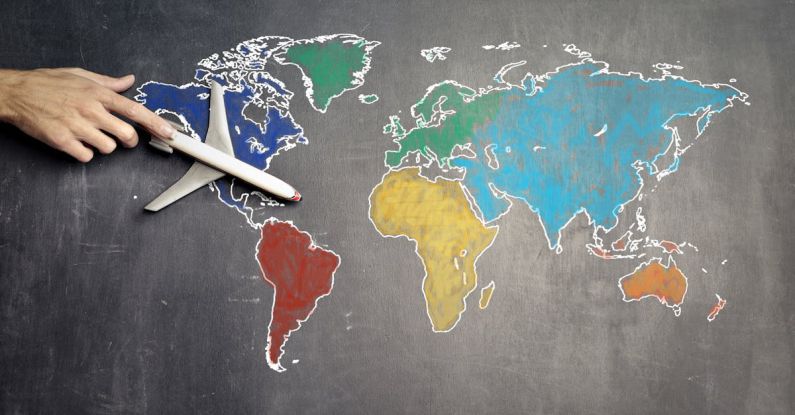
In today’s interconnected world, globalization plays a significant role in shaping world politics. The increasing interconnectedness of countries through trade, technology, and communication has led to a complex web of interactions that influence political decisions and policies on a global scale. Understanding how globalization impacts world politics is crucial in navigating the challenges and opportunities that arise in this rapidly changing landscape.
The Impact of Economic Interdependence
Globalization has fostered economic interdependence among nations, with trade and investment flowing across borders at unprecedented levels. This economic interdependence has created a system where the actions of one country can have far-reaching consequences on others. For example, a financial crisis in one country can quickly spread to other parts of the world, highlighting the interconnected nature of the global economy.
Furthermore, the rise of multinational corporations with operations in multiple countries has blurred the lines between national and international interests. These corporations often wield significant economic power and influence, shaping government policies and decisions to align with their business objectives. As a result, governments must balance the needs of their domestic economies with the demands of the global market, leading to complex policy decisions that reflect the interconnected nature of the modern world.
The Influence of Technology and Communication
Advancements in technology and communication have revolutionized the way information is shared and disseminated, leading to greater transparency and interconnectedness among people worldwide. Social media platforms, in particular, have played a significant role in shaping public opinion and mobilizing populations around social and political issues. The ability to communicate instantaneously across borders has empowered individuals and groups to form transnational networks that can influence political outcomes on a global scale.
Moreover, the proliferation of digital technologies has also raised concerns about privacy, cybersecurity, and the spread of disinformation. Governments are grappling with how to regulate these technologies to protect their national interests while also upholding democratic values and human rights. The tension between the free flow of information and the need for security and stability has become a central issue in global politics, reflecting the challenges posed by globalization in the digital age.
The Rise of Supranational Organizations
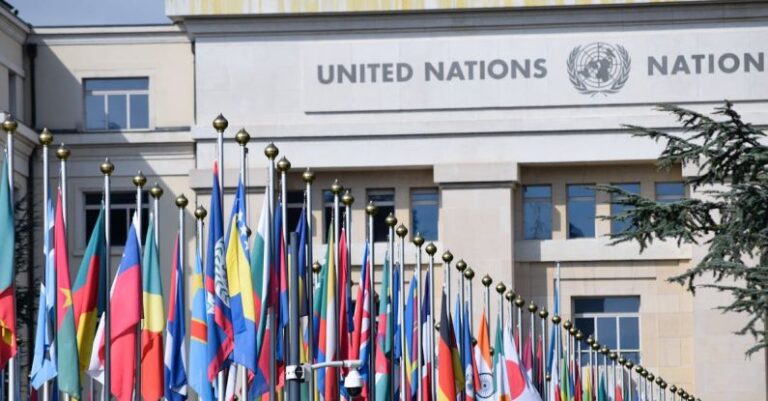
Globalization has led to the emergence of supranational organizations such as the United Nations, the European Union, and the World Trade Organization, which play a crucial role in shaping global governance and diplomacy. These organizations serve as forums for countries to negotiate and cooperate on issues that transcend national boundaries, such as climate change, trade agreements, and humanitarian crises.
Supranational organizations have the power to influence national policies and decisions, often serving as mediators in conflicts and setting international standards and regulations. However, their influence is not without controversy, as some argue that these organizations infringe on national sovereignty and undermine democratic governance. The tension between supranational and national interests highlights the complexities of global politics in an interconnected world.
Navigating the Challenges of Globalization
As the world becomes increasingly interconnected, policymakers and leaders must navigate the challenges and opportunities presented by globalization in shaping world politics. Balancing national interests with global responsibilities requires a nuanced understanding of the interconnected nature of the modern world and the ability to adapt to rapid changes in technology, economics, and communication.
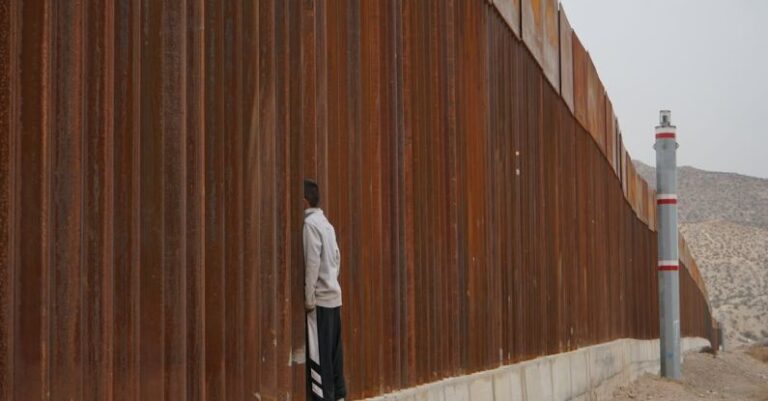
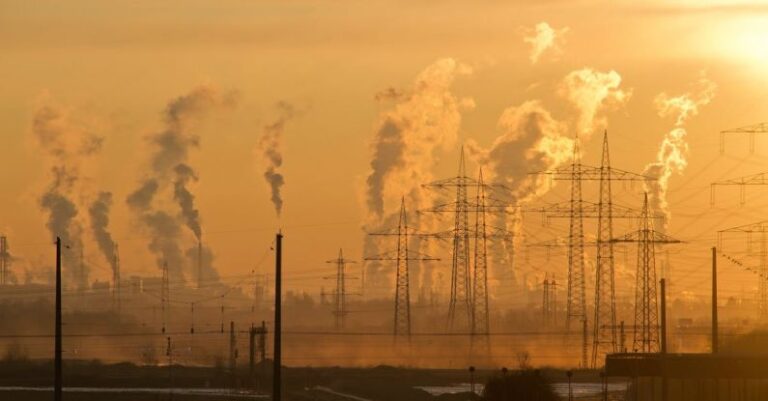
Furthermore, addressing global issues such as climate change, pandemics, and migration requires international cooperation and collaboration. The interconnectedness of countries means that no nation can solve these challenges alone, emphasizing the need for multilateral approaches and diplomatic solutions to address shared problems.
In conclusion, globalization is a defining force in shaping world politics, influencing economic, technological, and diplomatic interactions among nations. Understanding the impact of globalization on global governance and policymaking is essential in navigating the complexities of the modern world. By embracing the interconnected nature of our globalized world, policymakers and leaders can work towards building a more inclusive and sustainable future for all.