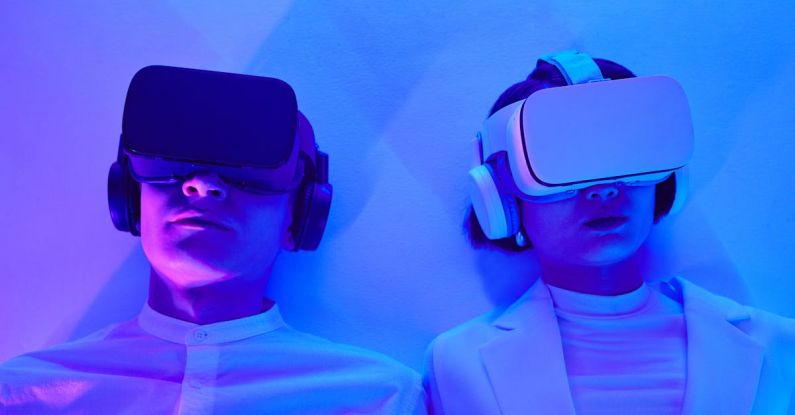
How Will Human Augmentation Shape the Future Society?
In a world where technology continues to advance at an unprecedented rate, the concept of human augmentation has moved from science fiction to reality. The integration of technology with the human body is reshaping the way we live, work, and interact with one another. As we stand on the cusp of a new era, it is crucial to explore how human augmentation will shape the future society in profound ways.
The Evolution of Human Augmentation
Human augmentation refers to the use of technology to enhance human capabilities, whether physical or cognitive. From prosthetic limbs that provide enhanced mobility to brain-computer interfaces that allow for direct communication between the brain and external devices, the possibilities are vast. What was once the stuff of futuristic movies is now becoming a tangible part of our reality.
Enhanced Abilities and Performance
One of the most significant impacts of human augmentation on society is the potential for enhanced abilities and performance. By integrating technology into our bodies, we can overcome physical limitations and achieve levels of performance that were previously thought impossible. Athletes, for example, could use exoskeletons to enhance their strength and endurance, pushing the boundaries of human potential in sports.
Improved Healthcare and Quality of Life
Human augmentation also holds the promise of revolutionizing healthcare and improving the quality of life for individuals with disabilities or chronic conditions. Prosthetics that can be controlled by the user’s brain signals offer a new level of functionality and independence for amputees. Similarly, neural implants could help individuals with neurological disorders regain control over their bodies and improve their overall well-being.
Ethical and Social Implications
As human augmentation becomes more prevalent, it raises important ethical and social questions that must be addressed. Issues related to privacy, consent, and inequality will need to be carefully considered to ensure that the benefits of augmentation are accessible to all members of society. Additionally, the blurring of the line between human and machine raises questions about what it means to be human and how we define our identity in an augmented world.
The Rise of Augmented Intelligence
In addition to enhancing human capabilities, human augmentation is also paving the way for augmented intelligence – the merging of human and artificial intelligence to create a new form of cognitive enhancement. Brain-computer interfaces, for example, could enable individuals to access vast amounts of information and process data at unprecedented speeds, revolutionizing how we learn, work, and make decisions.
Workforce Transformation
The integration of human augmentation and augmented intelligence will have far-reaching implications for the workforce of the future. As machines become more integrated with human workers, new job roles will emerge that require a combination of technical skills and human intuition. This shift will require individuals to adapt and upskill to remain competitive in an increasingly automated world.
The Need for Regulation and Governance
As we navigate the complexities of human augmentation, it is essential to establish clear regulations and governance frameworks to ensure that the technology is developed and used responsibly. Guidelines around data privacy, security, and the ethical use of augmented technologies will be crucial in shaping a future society that is equitable and just for all its members.
Shaping a New Social Fabric
Ultimately, human augmentation has the potential to reshape the very fabric of society, blurring the lines between human and machine, physical and digital. As we embrace the possibilities of enhanced abilities, improved healthcare, and augmented intelligence, we must also grapple with the ethical and social implications that come with this new era of technology. By approaching human augmentation with caution and foresight, we have the opportunity to create a future society that is inclusive, innovative, and profoundly transformed.