What Are the Economic Implications of Climate Change?
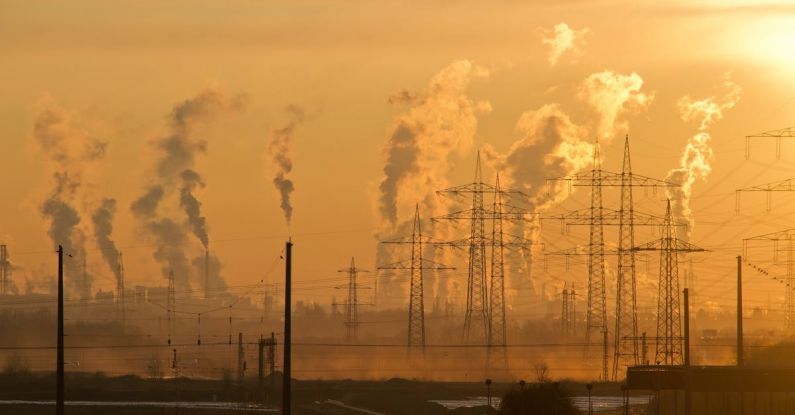
Climate change is a pressing issue that has far-reaching implications, with economic consequences being one of the most significant aspects of the ongoing debate. As the planet continues to warm due to human activities such as burning fossil fuels and deforestation, the global economy is also feeling the heat. From rising sea levels to extreme weather events, the impacts of climate change are not only environmental but also economic in nature. In this article, we will explore the economic implications of climate change and how they are shaping our world.
**The Cost of Climate Change**
One of the most immediate economic implications of climate change is the cost associated with adapting to its effects. As extreme weather events become more frequent and severe, governments and businesses are forced to spend significant amounts of money on disaster relief, infrastructure repair, and insurance payouts. The World Bank estimates that the global cost of adapting to climate change could range from $280 billion to $500 billion per year by 2050. These costs will only continue to rise as the impacts of climate change become more pronounced.
**Impact on Agriculture and Food Security**
Climate change is also having a profound impact on agriculture and food security around the world. Rising temperatures, changes in rainfall patterns, and more frequent droughts are affecting crop yields and livestock production. This not only threatens the livelihoods of farmers but also poses a risk to global food security. The World Bank estimates that by 2050, the decline in agricultural productivity due to climate change could lead to a 30% increase in food prices, putting vulnerable populations at risk of hunger and malnutrition.
**Displacement and Migration**
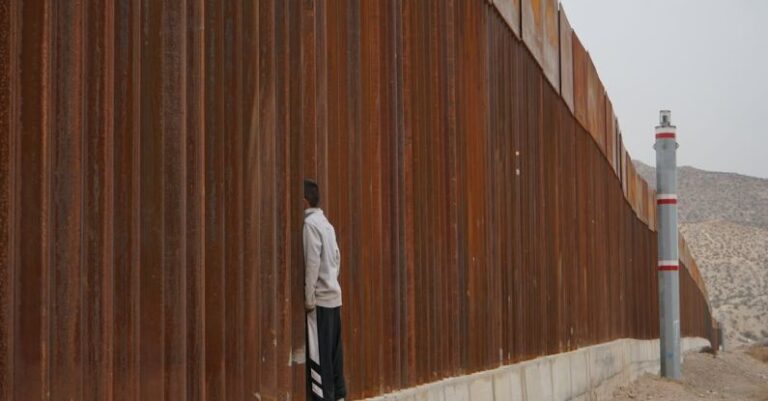
As sea levels rise and extreme weather events displace communities, the issue of climate-induced displacement and migration is becoming more urgent. In some regions, entire communities are being forced to relocate due to the impacts of climate change, leading to social and economic disruptions. The economic costs of relocation, resettlement, and loss of livelihoods are substantial, further straining already vulnerable populations. The International Organization for Migration estimates that by 2050, there could be up to 200 million climate migrants globally, adding pressure on already strained economies and infrastructure.
**Opportunities in Renewable Energy**
While the economic implications of climate change are largely negative, there are also opportunities for growth and innovation in the transition to a low-carbon economy. The shift towards renewable energy sources such as solar, wind, and hydropower is creating new industries and job opportunities. According to the International Renewable Energy Agency, the renewable energy sector employed 11.5 million people worldwide in 2019, a number that is expected to continue to grow as countries invest more in clean energy technologies. By embracing renewable energy, countries can not only reduce their carbon footprint but also stimulate economic growth and create sustainable jobs.
**The Role of Policy and Regulation**
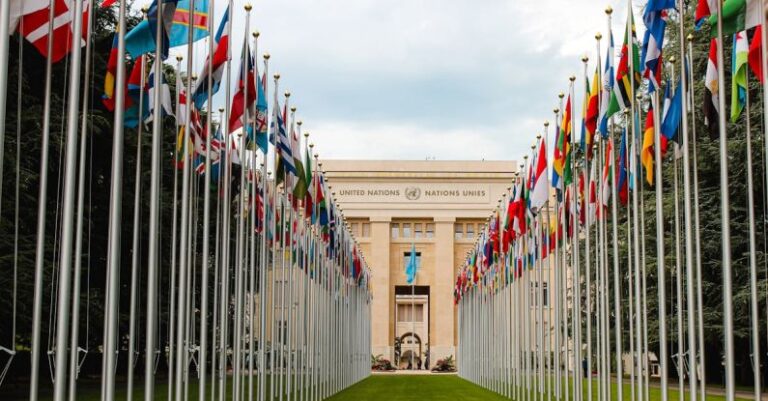
Addressing the economic implications of climate change requires strong policy and regulatory frameworks at the national and international levels. Governments play a crucial role in setting targets for reducing greenhouse gas emissions, promoting renewable energy, and incentivizing sustainable practices. The Paris Agreement, signed by nearly 200 countries in 2015, is a key example of international cooperation to combat climate change. By implementing policies that support a transition to a low-carbon economy, governments can mitigate the economic impacts of climate change and create a more sustainable future for all.
**In Summary**
The economic implications of climate change are vast and complex, affecting industries, communities, and countries around the world. From the cost of adaptation and the impact on agriculture to the opportunities in renewable energy and the role of policy and regulation, the effects of climate change on the economy are profound. As we continue to grapple with the challenges of a warming planet, it is crucial that we work together to address the economic implications of climate change and build a more resilient and sustainable future for generations to come.