What Challenges Do Astronauts Face Living in Space?
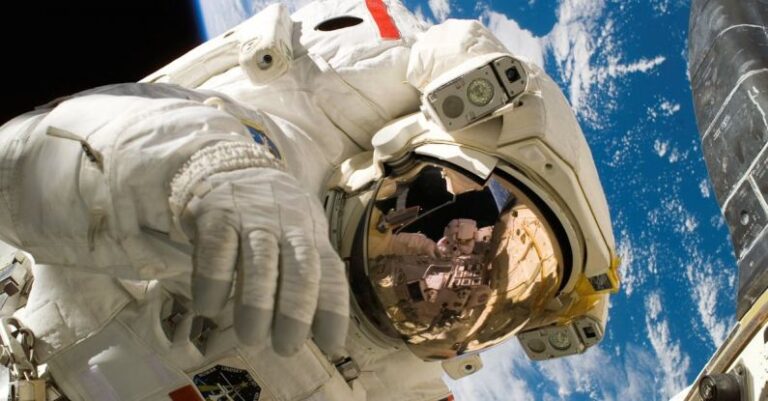
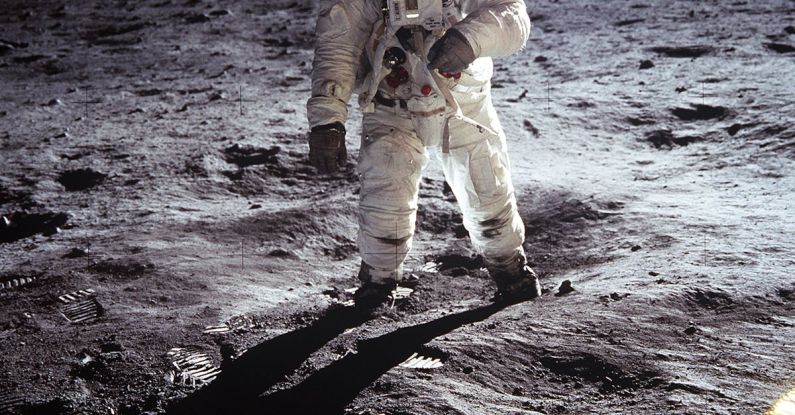
Living in space is an awe-inspiring feat that very few individuals have experienced firsthand. Astronauts, the brave men and women who venture beyond our planet’s atmosphere, face a myriad of challenges that are not encountered in their everyday lives on Earth. From the lack of gravity to the isolation of being millions of miles away from home, the challenges that astronauts face in space are both physical and psychological.
**Adapting to Microgravity**
One of the most significant challenges that astronauts face living in space is adapting to microgravity. On Earth, we are accustomed to the pull of gravity that keeps us firmly grounded. In space, however, there is virtually no gravity, which can have a profound impact on the human body. Astronauts must learn to navigate this weightless environment, where simple tasks such as eating, sleeping, and even using the restroom require a different approach.
The lack of gravity can cause a range of physical issues for astronauts, including muscle atrophy, bone density loss, and fluid shifts in the body. To combat these effects, astronauts must adhere to a strict exercise regimen while in space, using specialized equipment to maintain their strength and bone mass. Even with these precautions, the long-term effects of microgravity on the human body are still not fully understood, making it a constant challenge for astronauts living in space.
**Isolation and Psychological Stress**
In addition to the physical challenges of living in space, astronauts also face significant psychological stress due to the isolation and confinement of their environment. In space, astronauts are cut off from the outside world, with limited communication with their loved ones back on Earth. The vastness of space and the isolation of being confined to a spacecraft for extended periods can take a toll on the mental well-being of astronauts.
The psychological challenges of living in space are compounded by the demands of the mission itself, which can be high-pressure and require split-second decision-making. Astronauts must be able to work effectively as a team while also dealing with the stress of being in a high-risk environment. To address these challenges, astronauts undergo rigorous training in stress management techniques and psychological resilience before embarking on a mission to space.
**Radiation Exposure**
Another significant challenge that astronauts face living in space is exposure to radiation. Beyond the protective shield of Earth’s atmosphere, astronauts are exposed to higher levels of cosmic radiation, which can pose serious health risks. Prolonged exposure to radiation can increase the risk of cancer, cataracts, and other health issues, making it a critical concern for astronauts on long-duration missions.
To mitigate the effects of radiation exposure, spacecraft are equipped with shielding materials to provide some protection for astronauts. Additionally, astronauts are monitored closely for radiation levels throughout their mission, and protocols are in place to minimize their exposure as much as possible. Despite these precautions, the threat of radiation remains a constant challenge for astronauts living and working in space.
**Conclusion: Overcoming the Challenges of Space**
Living in space presents a unique set of challenges for astronauts, from adapting to microgravity to managing the psychological stress of isolation and confinement. Despite these obstacles, astronauts continue to push the boundaries of human exploration, venturing into the unknown and expanding our understanding of the universe. Through rigorous training, innovative technology, and unwavering determination, astronauts are able to overcome the challenges of living in space and carry out their missions with courage and resilience. As we look to the future of space exploration, it is clear that the challenges faced by astronauts in space will continue to shape our understanding of what it means to be a spacefaring civilization.